Our Work
Training
Capacity that outlasts the intervention
What we do
ARI’s methodology converts short-term emergency interventions into sustainable development pathways. Training is the mechanism that makes that conversion real: it is what allows a community to keep a service running after the programme that built it has ended.
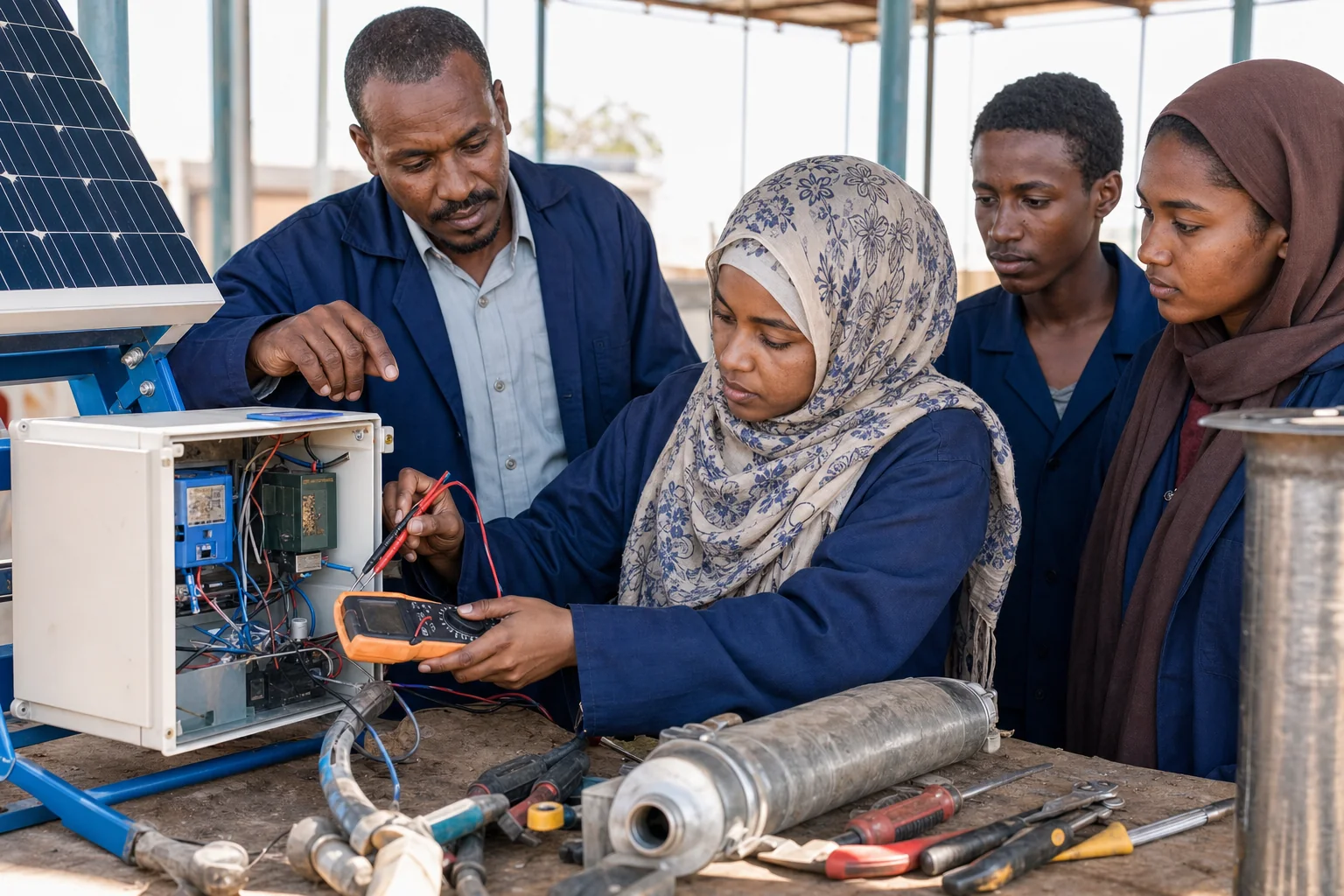
Technical and vocational training
Skills training and market linkages that create pathways for economic recovery, with meaningful inclusion of women and youth as active participants rather than beneficiaries.
Pastoral and agricultural training
Delivered through the multi-purpose community centres established in the project area — improving herd health, rangeland management and pastoralist technical capacity.
Institutional capacity building
Strengthening local NGOs, community councils and service-delivery structures: training for frontline staff and managers, and systems support covering supply chains, data and accountability. The goal is local institutions capable of planning, delivering and managing recovery independently.
Psychosocial support and youth
Psychosocial support paired with vocational training, aimed at stable, skilled and motivated youth — and, through them, social cohesion and entrepreneurship.
Why it matters
Sustainability beyond the implementation period is built into the model through multi-purpose community centres designed to remain functioning local institutions — providing veterinary and training services well after the initial infrastructure phases are complete.
Institutional capacity
Training is what makes recovery outlast the programme
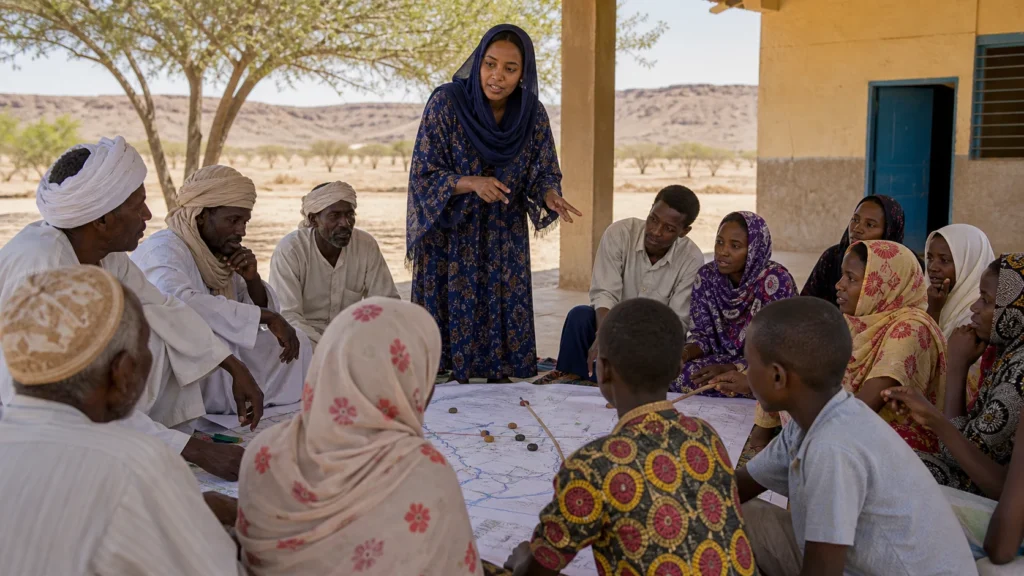
Participatory planning sessions are themselves training: communities practise setting priorities, weighing trade-offs and holding delivery to account — the capacities a local institution needs once the intervention ends.
Related articles and updates
No published items in this field yet.