Our Work
Water
Reliable access to a scarce, contested resource
What we do
As grazing land and water points become scarcer, friction between pastoralist and farming communities grows — driven not by hostility but by genuine resource scarcity. Water work at ARI therefore has two objectives at once: physical access, and the governance that keeps access from becoming a source of conflict.
Infrastructure
- Groundwater wells — 30 to 40 wells across the project area at full scale, drilled and paired with solar pumping where the grid does not reach.
- Livestock water points — more than 50, distributed along the grazing corridor network and within the planted area, reducing the distances herds must travel between water sources.
- Small-scale irrigation — sustainable irrigation systems supporting vegetation cover and food security.
Governance
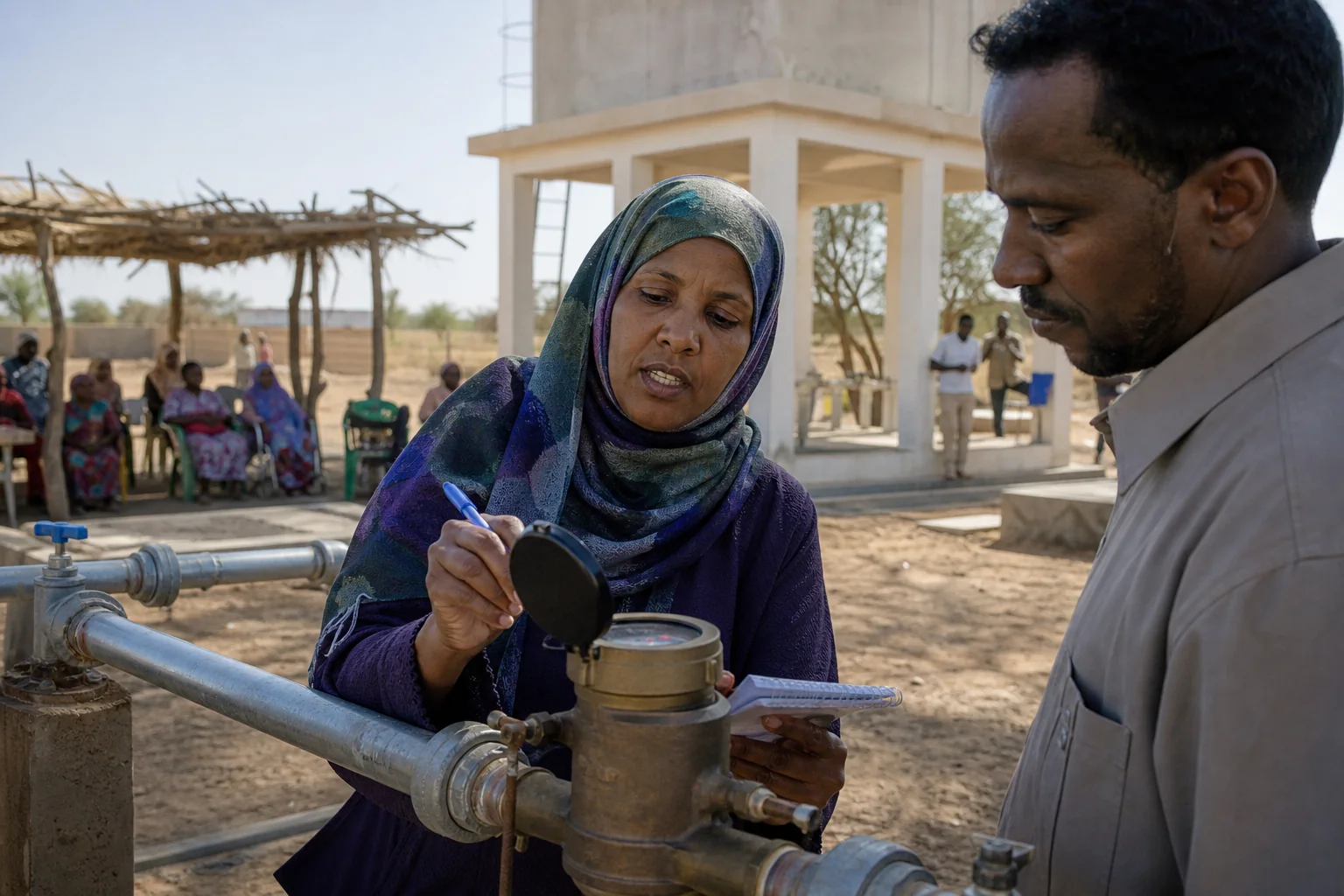
Infrastructure alone does not resolve competition over water. ARI pairs every water intervention with community water management: locally agreed rules for use and maintenance, and mediation support for resource-based disputes between pastoralists, farmers and displaced communities.
The intended outcome, following ARI’s theory of change, is that thousands of people gain access to clean water and water-borne disease falls measurably — while the water points themselves become a reason for cooperation rather than a flashpoint.
At full scale
- 30–40 groundwater wells
- 50+ livestock water points
- Solar-powered pumping
- Community-managed water governance
Shared infrastructure
A water point is also a meeting point
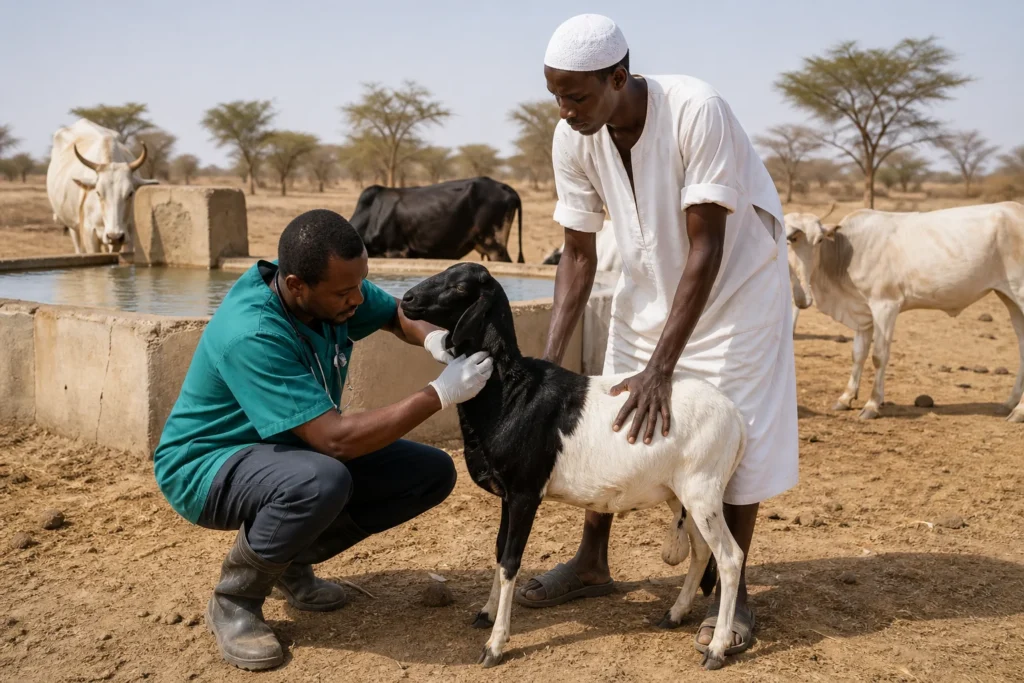
Livestock water points shorten the distance herds travel and become the natural place to deliver veterinary support and agree local rules for use and maintenance — turning contested infrastructure into a reason for cooperation.
Related articles and updates
No published items in this field yet.