About ARI
Our Mission
Three lines of work that only make sense together.
1
Restore essential services
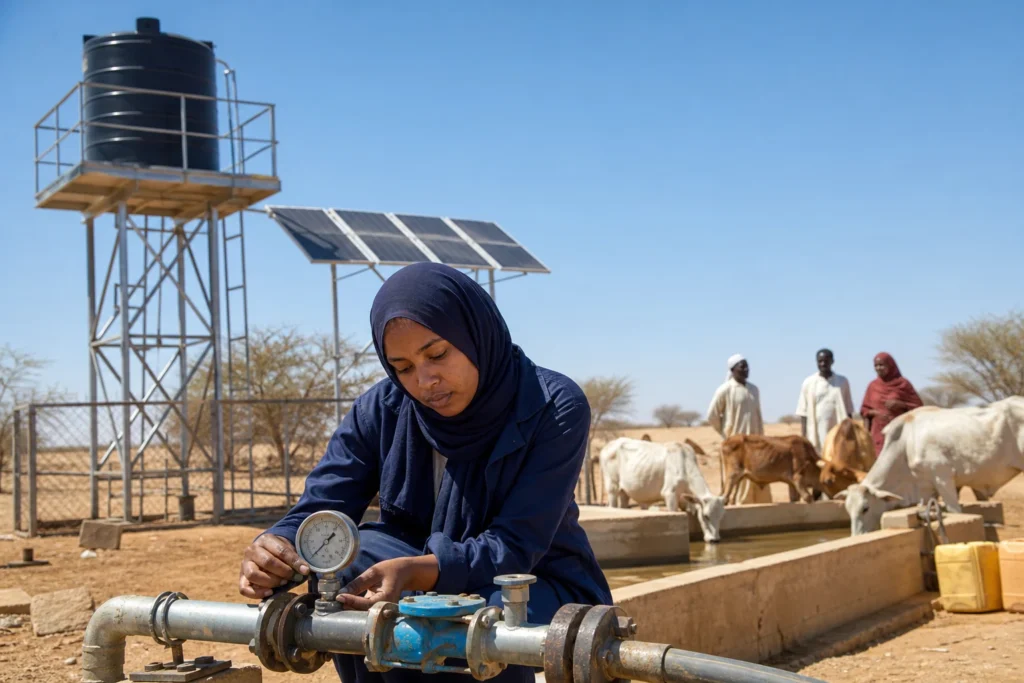
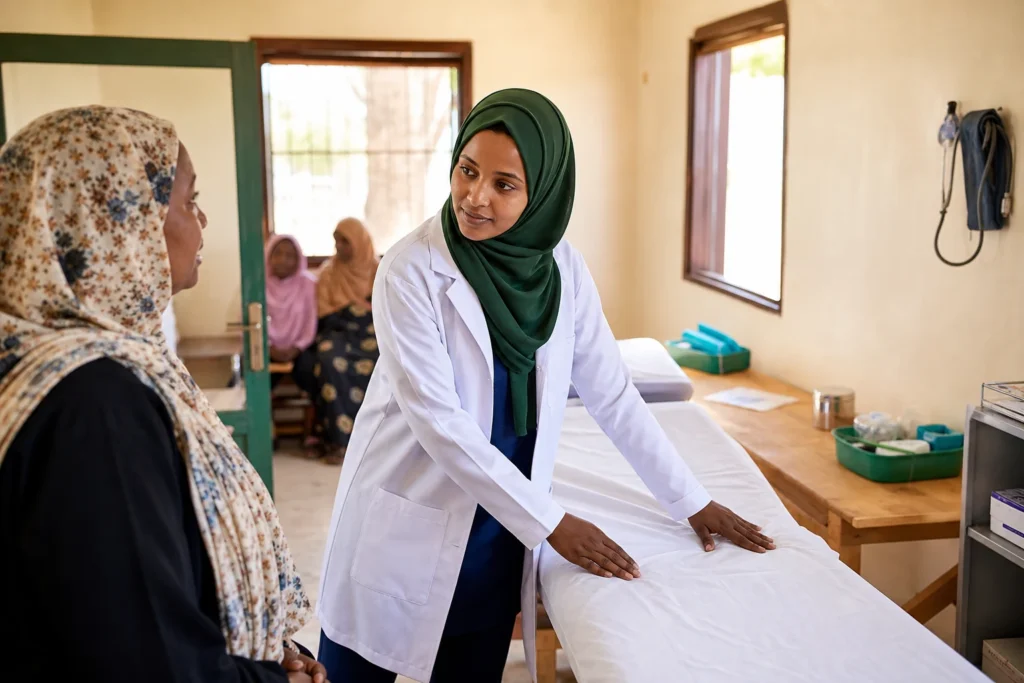
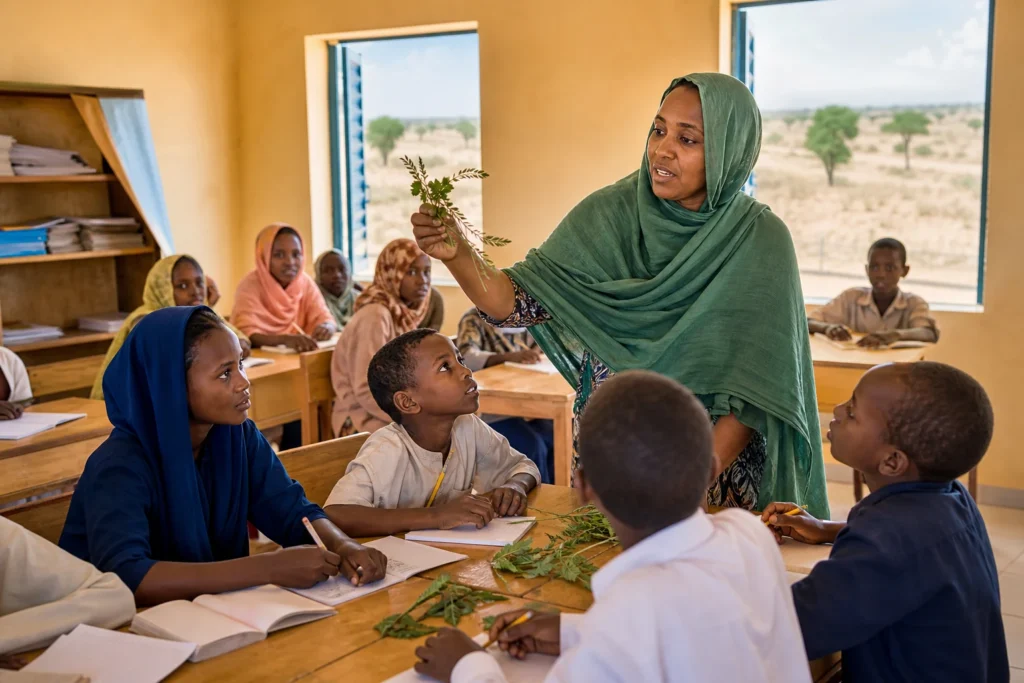
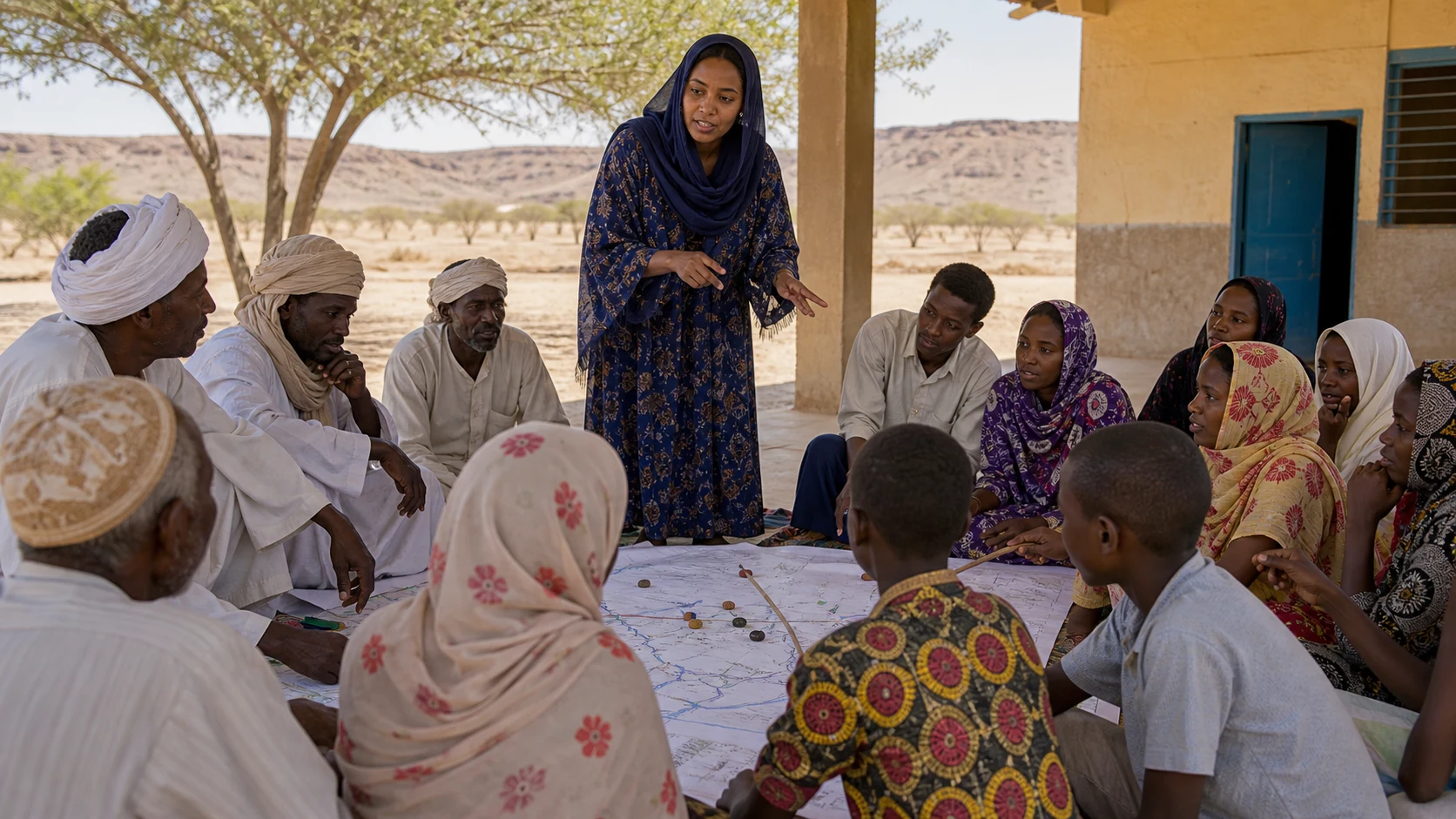
Repair clinics, schools and water points; restore basic functioning and access — delivered equitably across community groups to avoid reinforcing existing inequalities.
2
Natural resource stewardship
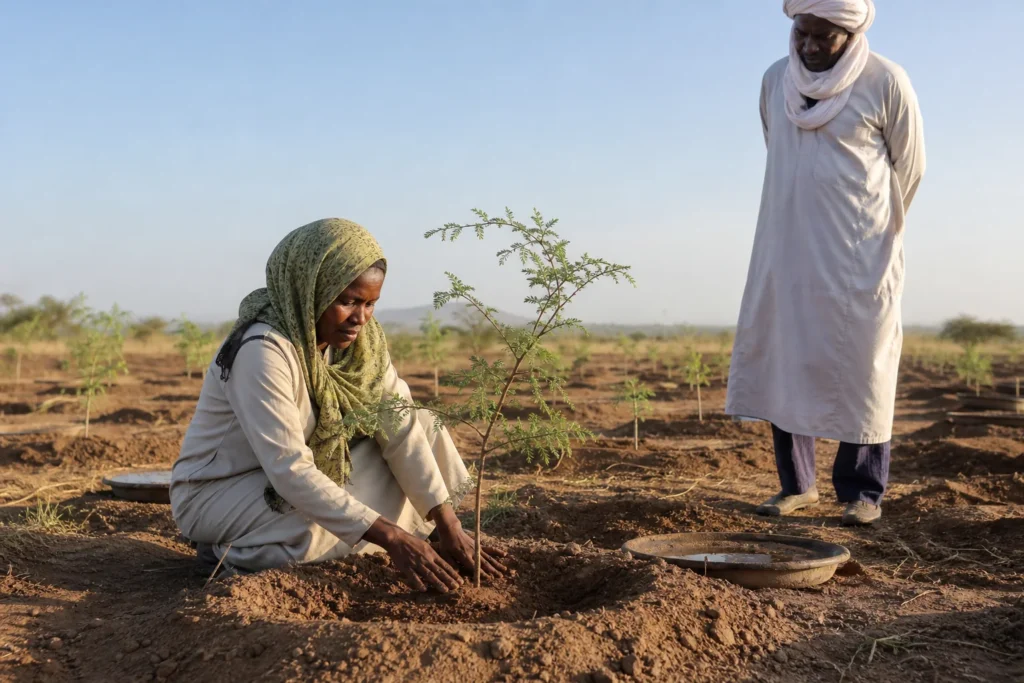
Reforestation, watershed protection and land regeneration to protect livelihoods — with particular attention to resource-based tensions between pastoralists, farmers and displaced communities.
3
Community empowerment
Participatory planning, local institution strengthening and skills development — with meaningful inclusion of women and youth as strategic actors in recovery and peacebuilding.
Theory of Change
Inputs → Activities → Outputs → Outcomes → Impact
| Domain | Inputs | Activities | Outputs | Outcomes |
|---|---|---|---|---|
| Water & Energy | Funding + team | Well drilling + solar energy | Thousands of people access clean water | Reduction of water-borne diseases |
| Health | Equipment + personnel | Rehabilitation of health facilities | Functional clinics serving the community | Improved health and productivity |
| Education | Materials + teachers | School rehabilitation + training | Safe and effective learning environments | Higher educational attainment rates |
| Environment | Seedlings + irrigation | Intensive reforestation + sustainable irrigation | Dense vegetation cover + food security | Halting desertification + additional income |
| Youth | Psychosocial specialists | Psychosocial support + vocational training | Stable, skilled and motivated youth | Social cohesion + entrepreneurship |
| Governance | Government partnerships | Personnel training + local governance | Capable and sustainable local institutions | Locally managed services without dependency |
Impact: Stable and self-sustaining communities — a replicable model for conflict-affected regions across Africa.