About ARI
Core Values
Five commitments that govern how every programme is designed and run.
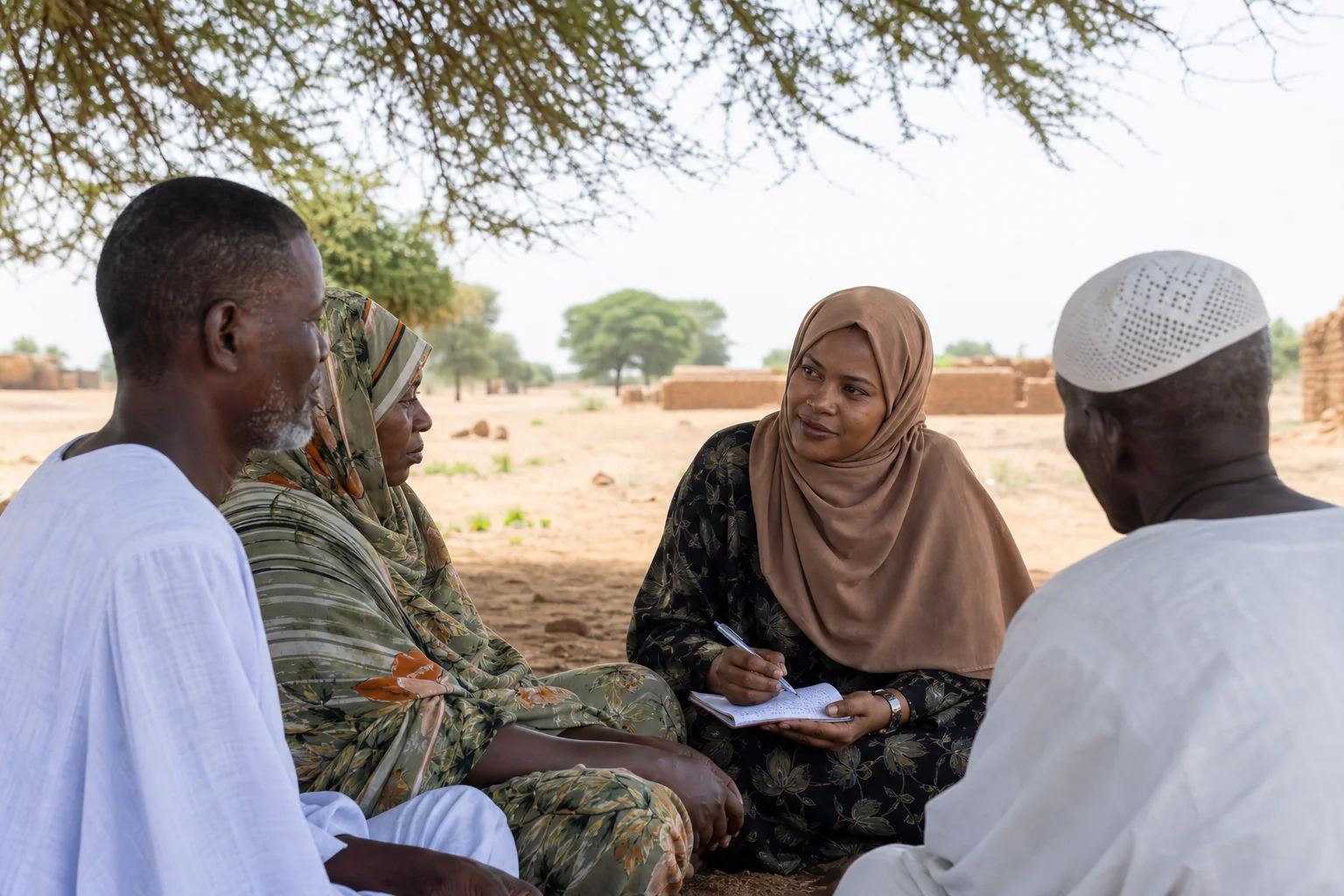
Do No Harm
We design every program to reduce tensions between groups, never to deepen them.
Equity
Benefits reach all community groups fairly, with women and youth as active leaders.
Local Ownership
Communities set their own priorities; we do not impose solutions.
Accountability
Every partnership is governed by clear roles, transparent finances and measurable results.
Evidence-Based Action
We monitor, evaluate and adjust based on what actually works on the ground.
Do No Harm
Why conflict sensitivity matters
Recovery programs in conflict-affected settings can inadvertently worsen tensions if they benefit one group at the expense of another, ignore local power dynamics and historical grievances, bypass existing community institutions, or create dependency rather than local ownership.
| Principle | How ARI applies it |
|---|---|
| Understand before acting | Conflict analysis precedes all project design |
| Equitable targeting | Benefits distributed across identity and geographic groups |
| Local legitimacy | Community-driven selection of priorities and partners |
| Do no harm | Ongoing monitoring of inter-group dynamics |
| Link recovery to prevention | Programs address grievances, not only needs |
Development programs that ignore conflict risks may waste time and resources — and may actually make things worse.Pathways for Peace, UN & World Bank, 2018