Our Work
Health
Functioning clinics, healthier herds
What we do
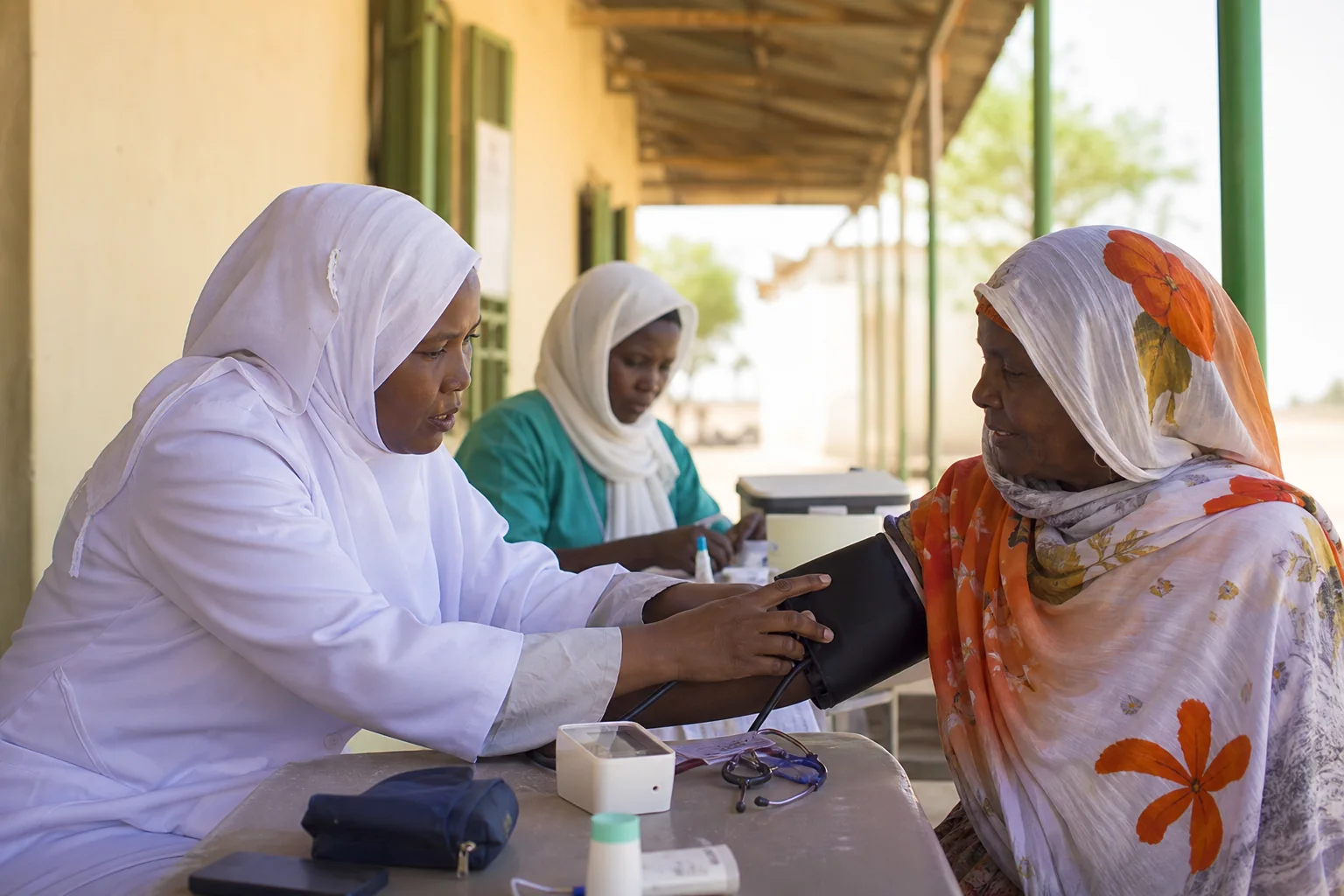
Health systems weakened by conflict limit access to care and erode trust in the institutions meant to provide it. ARI’s health work restores facilities and the capacity to run them — and extends care to livestock, on which pastoralist livelihoods directly depend.
Human health
- Rehabilitation of health facilities, with resilient retrofit
- Equipping clinics and supplying the personnel that make them functional
- Training for frontline staff and managers
- Equitable delivery across all community groups, with attention to historically excluded populations
Veterinary services
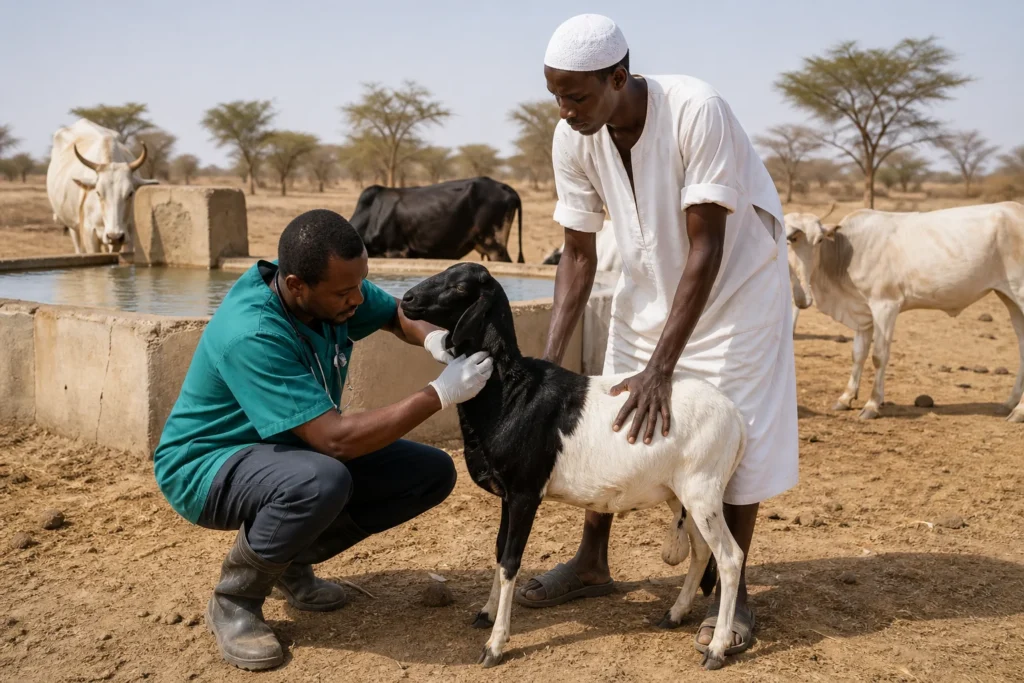
Delivered through multi-purpose centres serving semi-settled pastoralist communities, veterinary support improves herd health and reduces the losses that push families into deeper vulnerability.
When services collapse, trust in institutions collapses with them. Restoring services equitably signals that legitimate institutions are present and accountable.ARI Founding Document
Outputs
Functional clinics serving the community
Outcomes
Improved health and productivity
Livestock supported
Approximately 50,000 head at full scale
One health
Herd health is household health
For pastoralist families, livestock losses translate directly into food insecurity and lost income. Veterinary services delivered through the multi-purpose centres protect the asset that household resilience rests on.
Related articles and updates
No published items in this field yet.