
Hashab and Gum Arabic: Why Development in Kordofan Begins at a Tree’s Roots
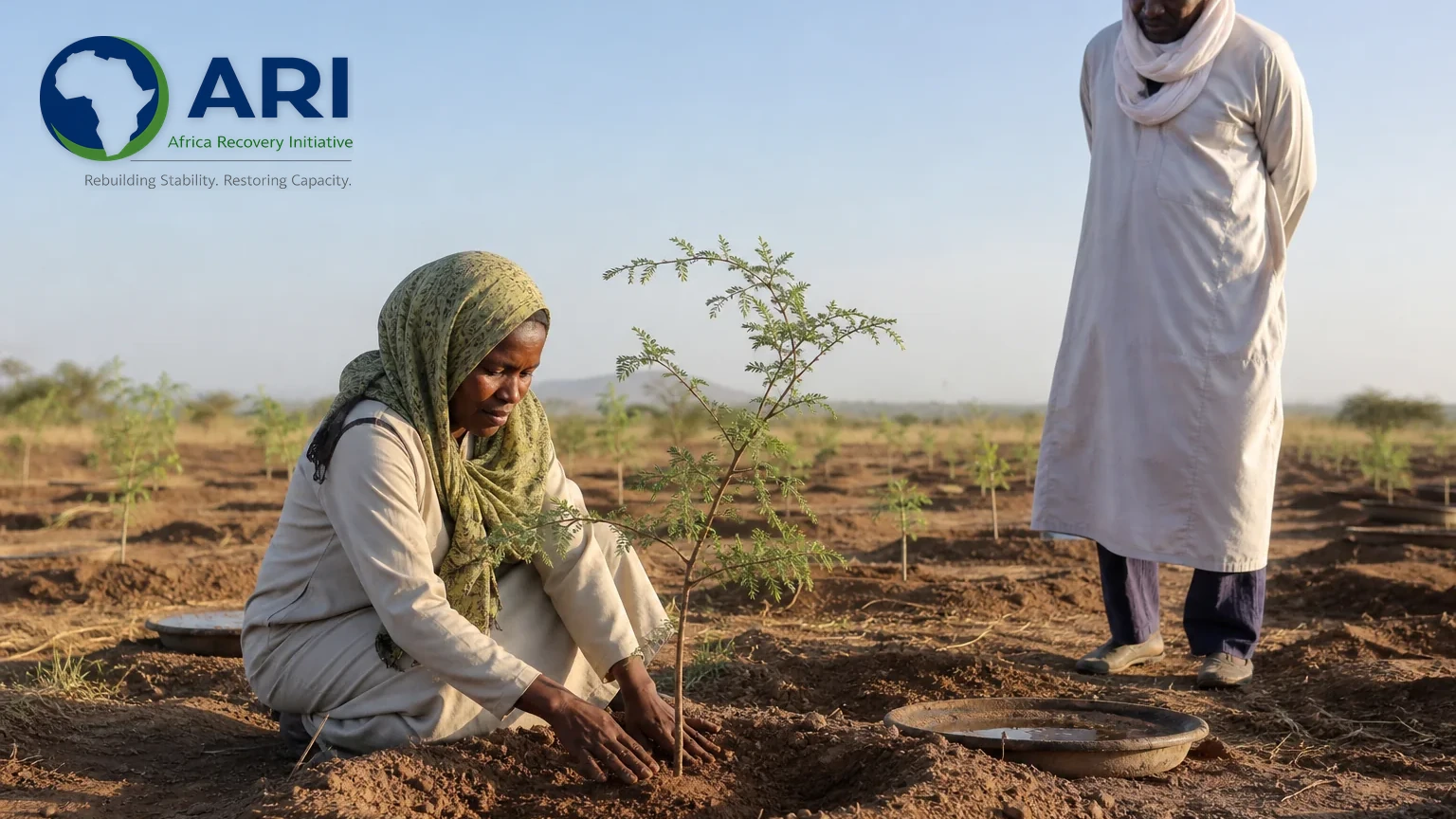
Gum arabic is easy to overlook, even though it appears in everyday products such as soft drinks, medicines and cosmetics. Behind this ingredient is a value chain that begins with a local tree and extends to rural incomes, grazing systems and the health of the land. In Kordofan, that connection puts the hashab tree at the heart of any serious discussion about recovery and development.
From the hashab tree to a resource for people and land
Gum arabic is produced mainly from hashab (Senegalia senegal), alongside other gum-producing tree species. The Food and Agriculture Organization of the United Nations (FAO) describes Sudan’s hashab agroforestry system as a traditional practice that brings trees, farming and pastoral livelihoods together. The tree provides more than gum: it helps protect and improve soils, its leaves and pods can provide dry-season fodder, and its cultivation is woven into local farming and livelihood systems.
Before the war began in April 2023, Sudan supplied an estimated 70 to 80 per cent of the world’s crude gum arabic exports, according to a July 2026 report by the Office of the UN High Commissioner for Human Rights. The trade is an important source of income for millions of Sudanese. A figure often repeated for Kordofan — 49.3 per cent of Sudan’s output — comes from historical 1995 data cited by FAO. It is best read as an indication of the region’s long-standing importance, not as a current production estimate.
When the value chain is disrupted
Conflict has weakened producers’ and traders’ ability to work across parts of the gum belt and exposed livelihoods linked to collection, transport, storage and trade to growing risks. The UN report says that people and families connected to the gum trade have faced threats to their safety, arbitrary detention, looting and extortion. It also reports that the gum market and warehouses in El-Nuhud, West Kordofan, were looted in May 2025, disrupting local trade and harming livelihoods linked to the sector.
The loss is not only measured in income or exports. When trees no longer provide reliable value to households, pressure on the surrounding vegetation can increase through fuelwood cutting or grazing beyond the land’s capacity. Protecting hashab and managing rangelands are therefore not separate from economic recovery; they help restore the resource base on which livelihoods depend.
The Great Green Wall: a broad goal that needs local delivery
Sudan is one of the eleven countries covered by the Great Green Wall Initiative. The UN Convention to Combat Desertification (UNCCD) lists 85,000 hectares of land restored and 1.9 million plants and seedlings produced among the results recorded for Sudan. Across the continent, the initiative’s target is to restore 100 million hectares of degraded land by 2030. These figures refer to programmes and targets with different scopes, but they underscore the need to turn ambition into locally grounded interventions that can be financed, measured and maintained.
What does reinvesting in the tree require?
Restoration is more likely to last when the communities caring for trees also benefit from them. That calls for a connected package of investment:
- Diverse local species: make hashab central where it suits local conditions, within a varied landscape rather than a single-species plantation.
- Well-managed rangelands: agree clear grazing corridors and practices with communities and pastoralists, respecting herd movements and local access rights.
- Reliable water services: plan water points for people and livestock, including construction, energy and maintenance costs from the outset.
- More value kept locally: support collection, storage, cleaning and local processing, while improving access to markets so producers are not limited to selling raw gum.
Traceability is the basis of trust
The UN Human Rights Office report warns that fragmented territorial control and shifting trade routes can make the origin of gum harder to verify, and that some quantities may enter commercial or customs channels as if produced elsewhere. It calls for stronger traceability, oversight and human rights due diligence. Clear records of origin, transport routes and intermediaries can protect producers, buyers and funders alike, while helping ensure that value reaches producing communities.
ARI’s Integrated Pastoral Forest Project in North Kordofan
The Africa Recovery Initiative (ARI) is working on this agenda through its Integrated Pastoral Forest Project in North Kordofan State. The project brings together tree planting, grazing corridors, water points and local processing. Under the Initiative’s published plan, implementation is targeted for 2027 following completion of the design and continued government consultation.
The goal is not simply to plant trees, but to connect ecological recovery with local income, practical services and a trusted value chain. When trees help sustain both the land and livelihoods, restoring tree cover can become a practical route to greater stability for rural communities.